
Have you ever noticed that, in cold weather, your nose and ears are the first things to get cold? Turns out, the effects of cold weather on your ears can have an impact on your hearing health. Let’s discuss why that is and ways you can protect yourself.
How Does the Cold Impact Hearing?
The reason your ears and nose get cold so quickly is that they’re mostly made out of cartilage, as opposed to fat and muscle, which provide a protective warming layer on other parts of your body. This lack of a protective layer on your ears makes them more sensitive to cold temperatures.
Cold doesn’t cause hearing loss directly, but it does have other impacts that can then affect hearing health. Some of these include:
- Changes in blood flow. Cold weather causes blood circulation to slow and blood vessels to constrict. The cochlea, an organ in the inner ear responsible for transmitting sound information to the brain, relies on blood flow to function properly, so any interruptions can potentially cause issues.
- Ear infections. Cold air is dry, and it can dehydrate the skin in your nose and ear canals, leaving them susceptible to irritation and infection. Additionally, viral illnesses tend to circulate during the colder months, which can lead to infections in the inner and middle ear. Ear infections are known to cause temporary or permanent hearing loss.
- Exacerbating other health issues. Other underlying health issues can sometimes affect hearing health. These include cardiovascular and heart diseases, diabetes, arthritis and hypertension, to name a few. Conditions like these can worsen in the winter, potentially increasing their impact on your hearing health as well.
- Earwax buildup. Earwax buildup can obstruct your ear canal, causing muffled hearing and hearing loss. Cold weather changes the texture and thickness of earwax, making buildup more common.
How Can I Protect My Hearing in the Cold?
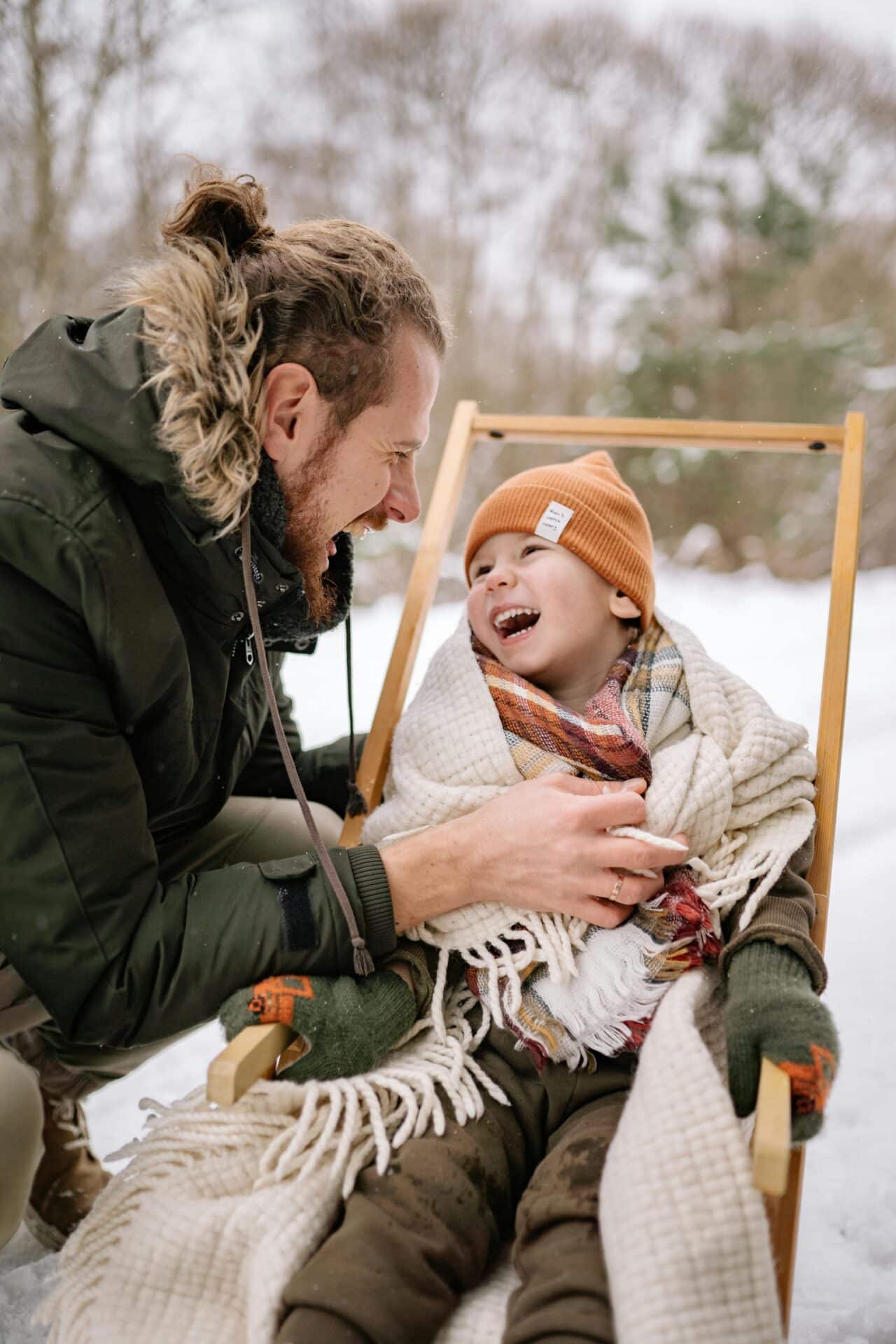
The quickest and easiest way to protect your hearing is to layer up. Wear a hat, scarf, earmuffs or hood over your ears to keep them warm, dry and out of the wind. Additionally, try to take breaks indoors if you know you’ll be spending a lot of time outside in order to give your ears time to warm up and bring blood flow back up to normal.
Additionally, avoid getting sick by practicing good hygiene habits. Wash your hands, stay hydrated and get plenty of rest. Drinking plenty of fluids will also help combat the effects of cold weather on earwax production, as earwax is closely tied to moisture levels.
Hearing Aids in the Cold
If you’re one of the 28.8 million people who could benefit from hearing aids, you may notice the cold weather affecting your hearing aid performance. Battery life will be reduced in cold weather environments, so plan accordingly; you may not get as much use out of a full charge or need to replace your batteries more frequently than you would during warmer months. Also, condensation is more prominent during cold months, so be aware of condensation on your hearing aids. If you’re wearing a scarf or earmuffs and they get wet, take them off your hearing aids immediately.
If you are concerned about cold weather’s effects on your hearing or notice that your hearing aids are performing poorly in cold weather, consult with your hearing specialist. Call Rancho Santa Fe Audiology to find out more about protecting your hearing health and extending the life of your hearing aids, even in cold weather.